Fostering Edgewalkers
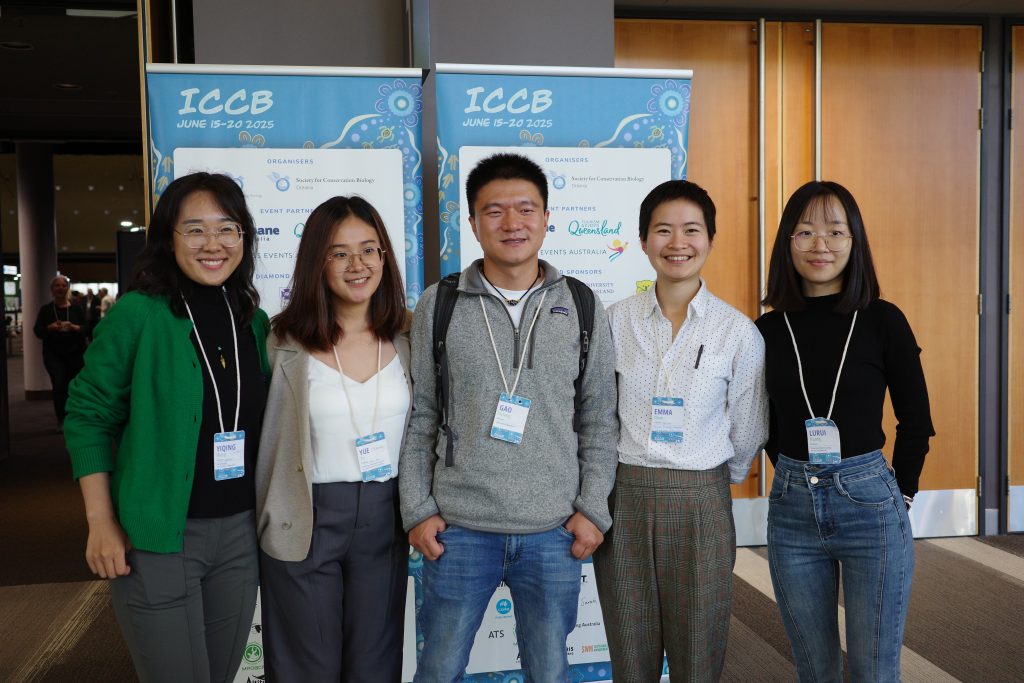
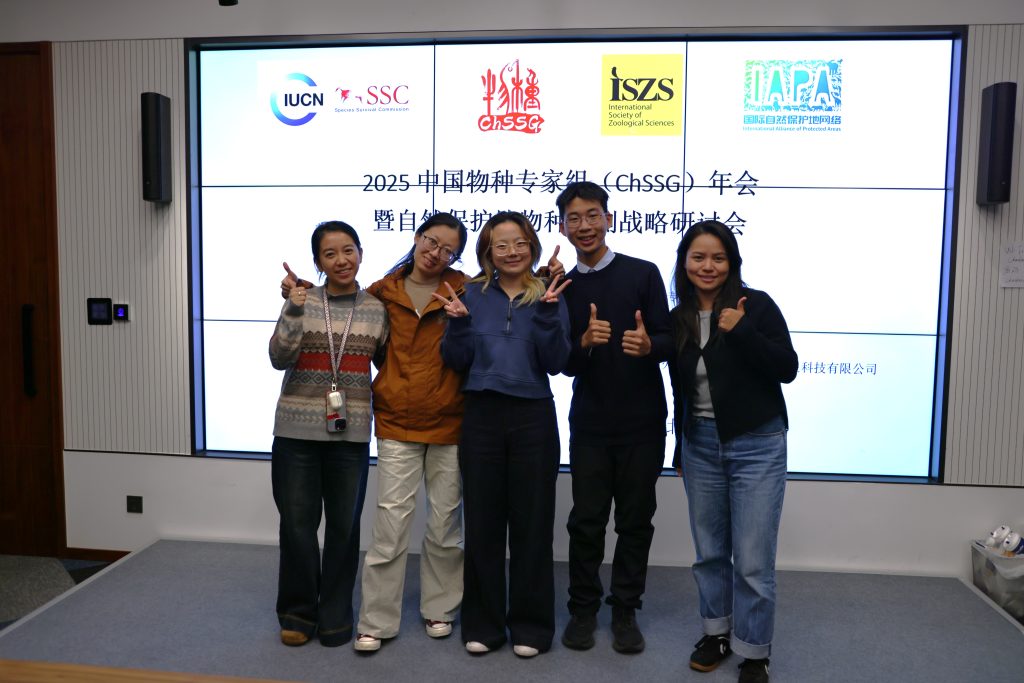
Every year, Conservation Edgewalkers selects 8–10 emerging conservationists to join a one-year collaborative learning cohort. The program primarily targets early-career conservationists, who are typically around 25 years old and have several years of experience in conservation research or practice. The cohort engages in three core activities: Collective Learning, Cohort Project, and Field Practice.
Collective Learning
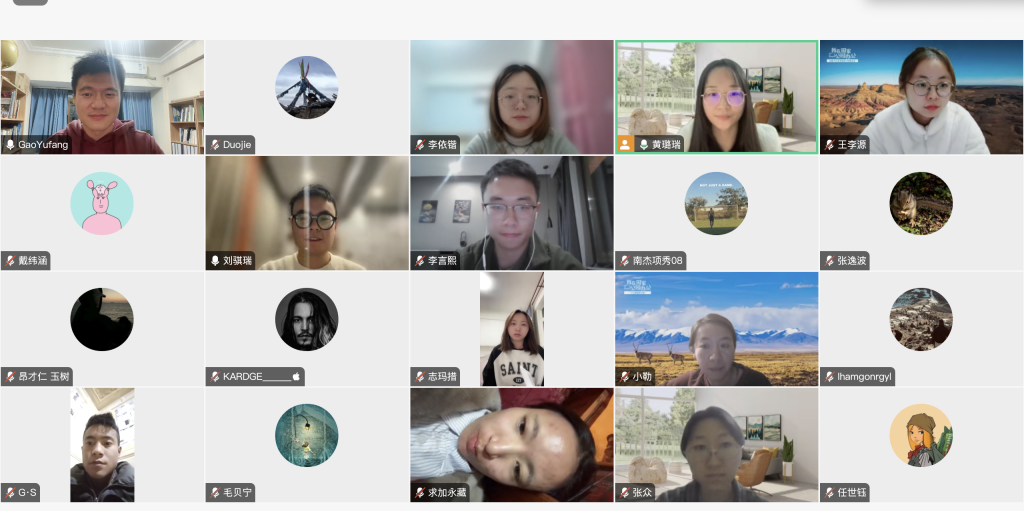
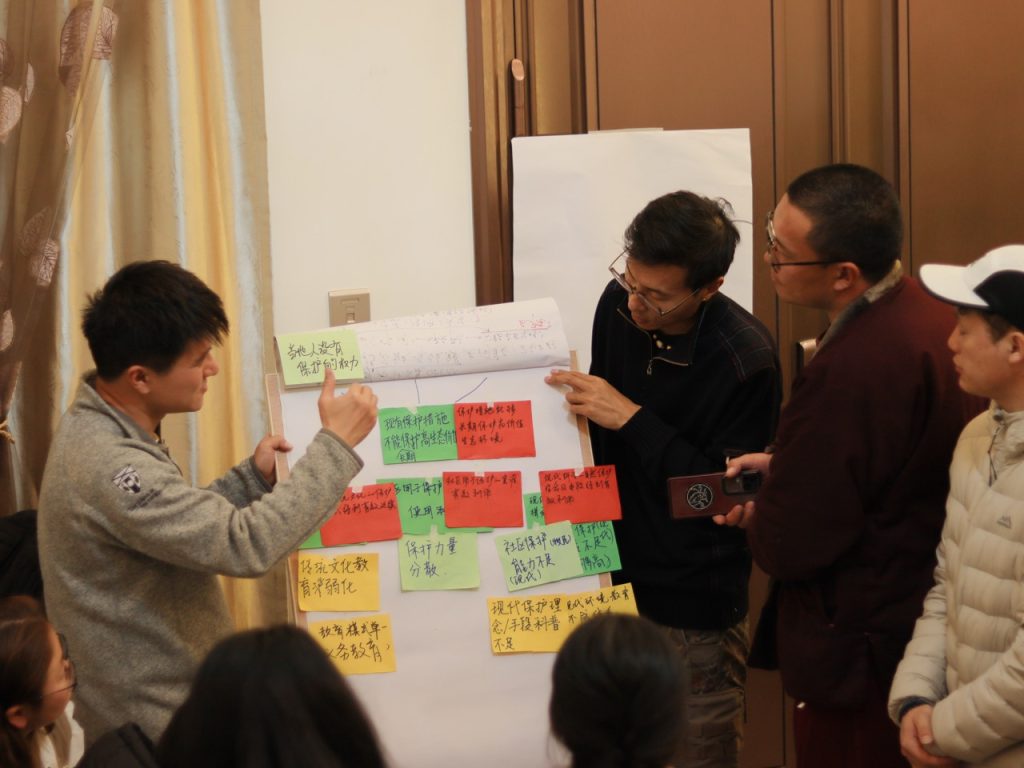
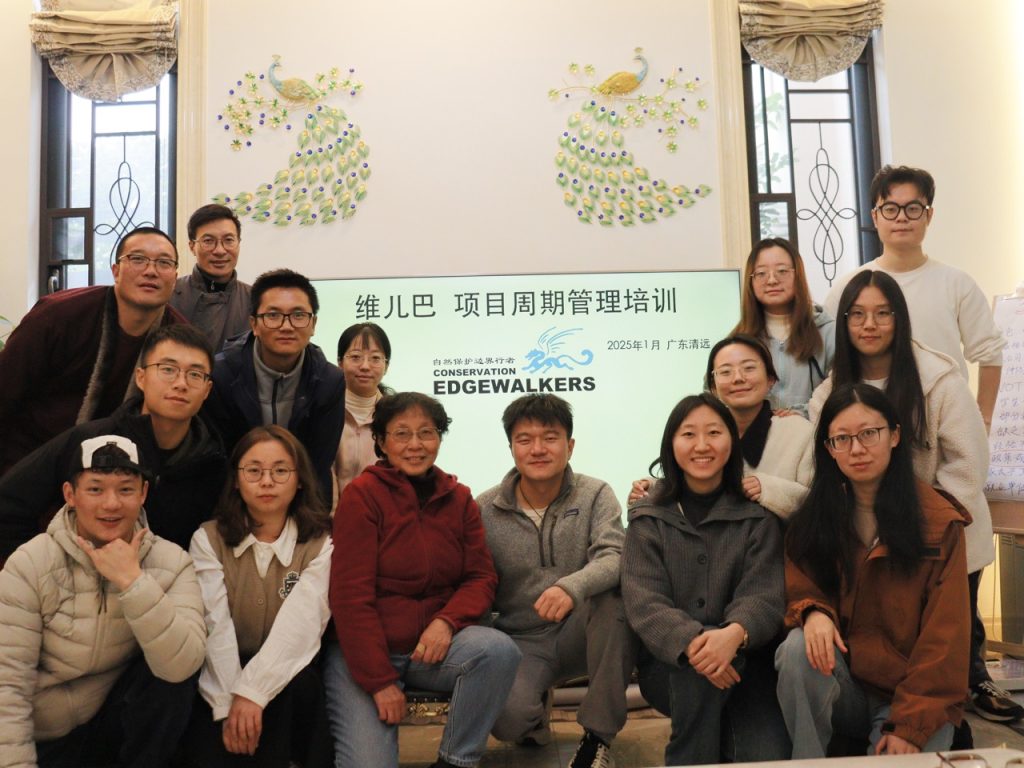
Over 12 weeks, participants engage in an online course that introduces interdisciplinary approaches to conservation, drawing on fields such as conservation biology, environmental anthropology, and policy sciences. The course emphasizes integrating diverse disciplinary perspectives through a problem-oriented meta-analytical framework, with particular attention to decision-making processes, social dynamics, and underlying values. Participants reflect on their own standpoint to cultivate more empathetic, holistic approaches to conservation challenges. This phase also includes an in-person Project Cycle Management workshop, where participants develop practical skills in project design, proposal writing, and project management while building trust and cohesion as a team.




Cohort Project
Participants work in small teams to develop and implement applied research or practice-oriented projects that address real-world conservation challenges. Past cohort projects have included studies on illegal wildlife trade in China, reviews of human–wildlife coexistence strategies, research on integrating traditional ecological knowledge with modern science, and capacity-building initiatives such as online training courses for young conservationists on the Tibetan Plateau. These projects enable participants to apply the interdisciplinary knowledge and practical skills gained during the first phase while delivering meaningful outcomes for partner organizations and the broader conservation community.
Field Practice
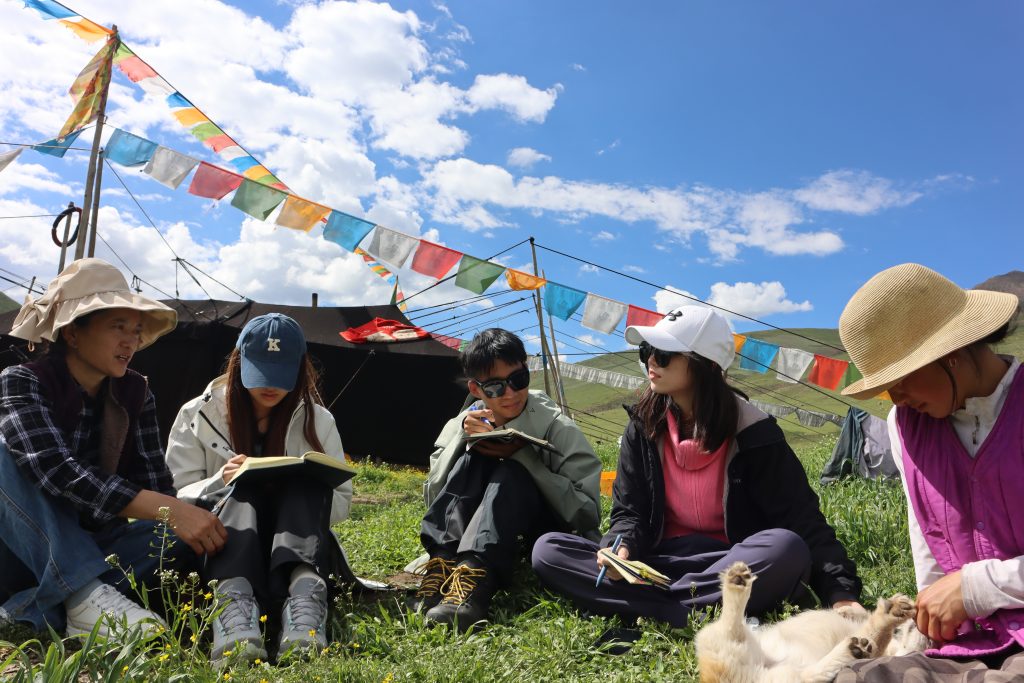
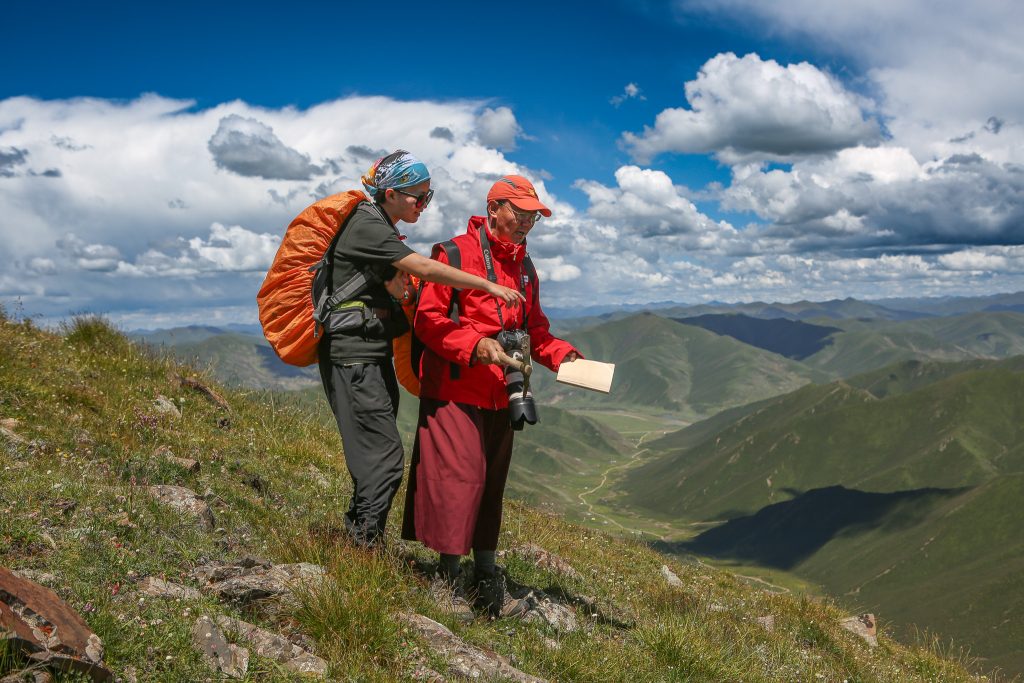
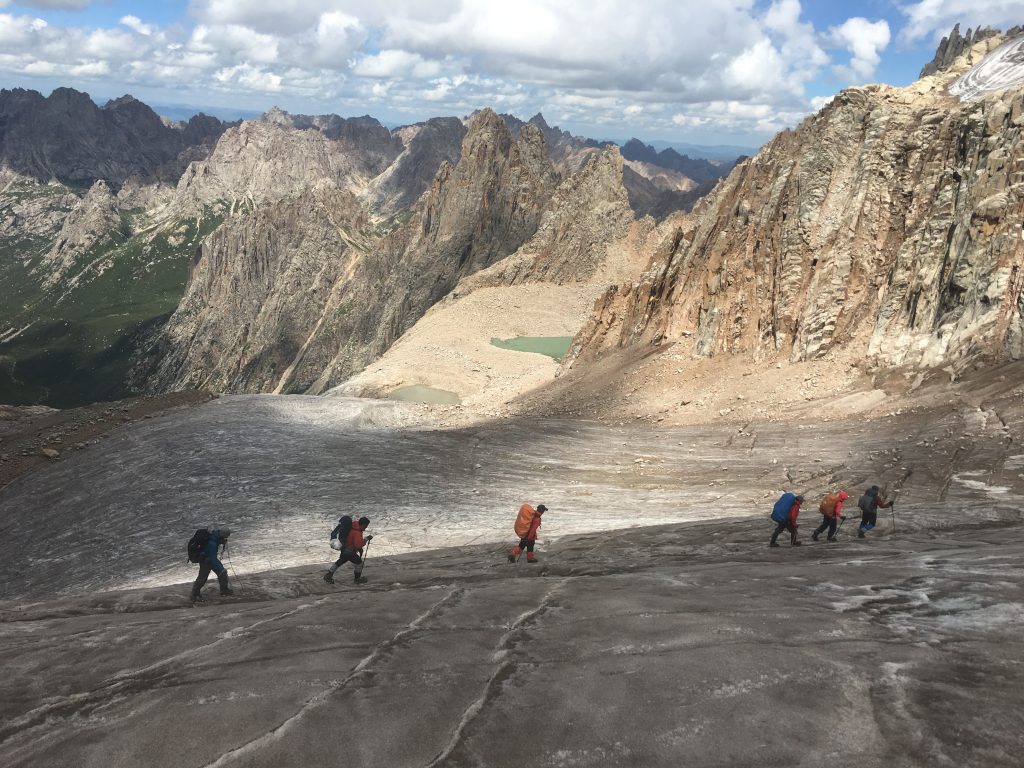
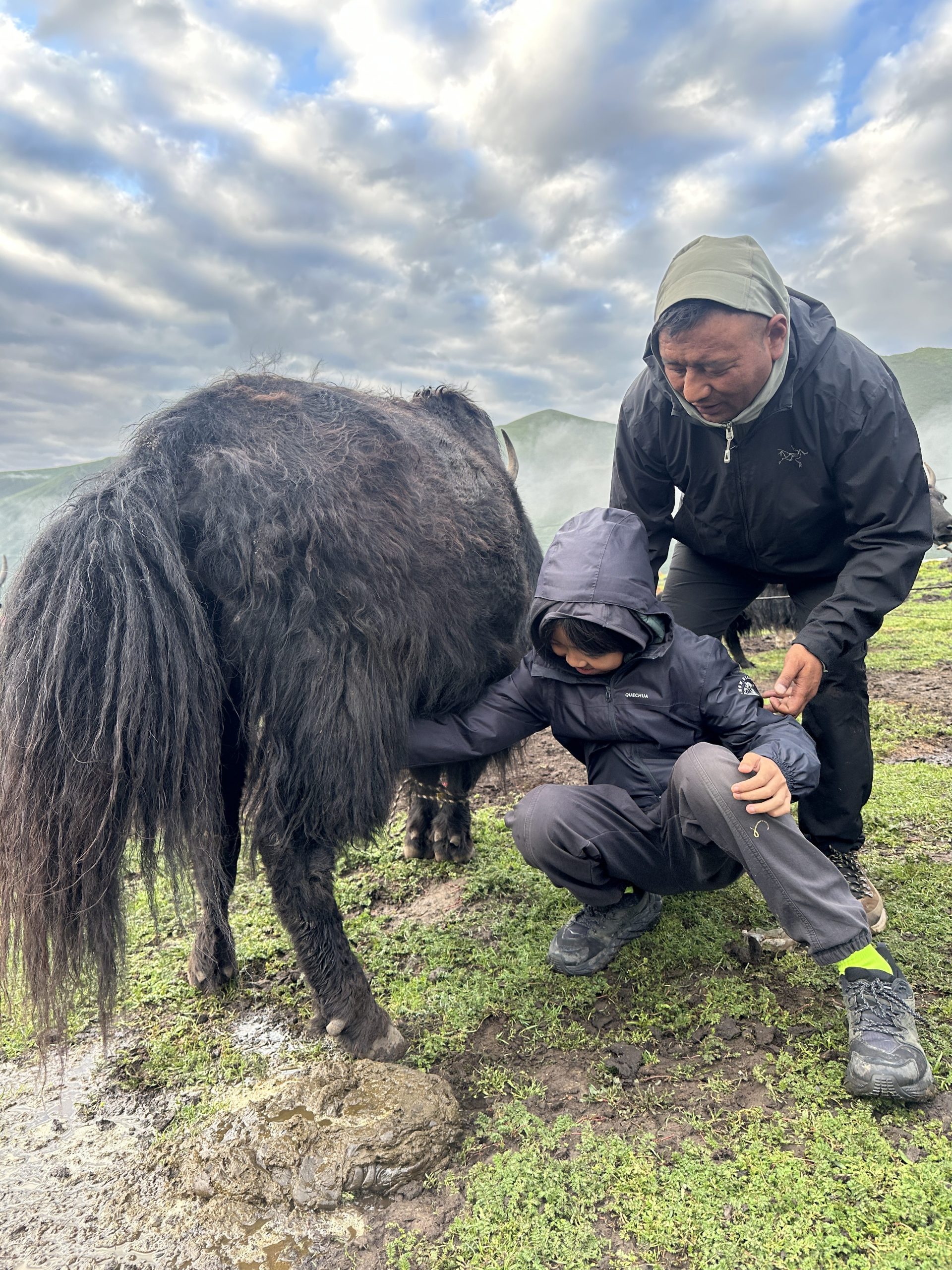
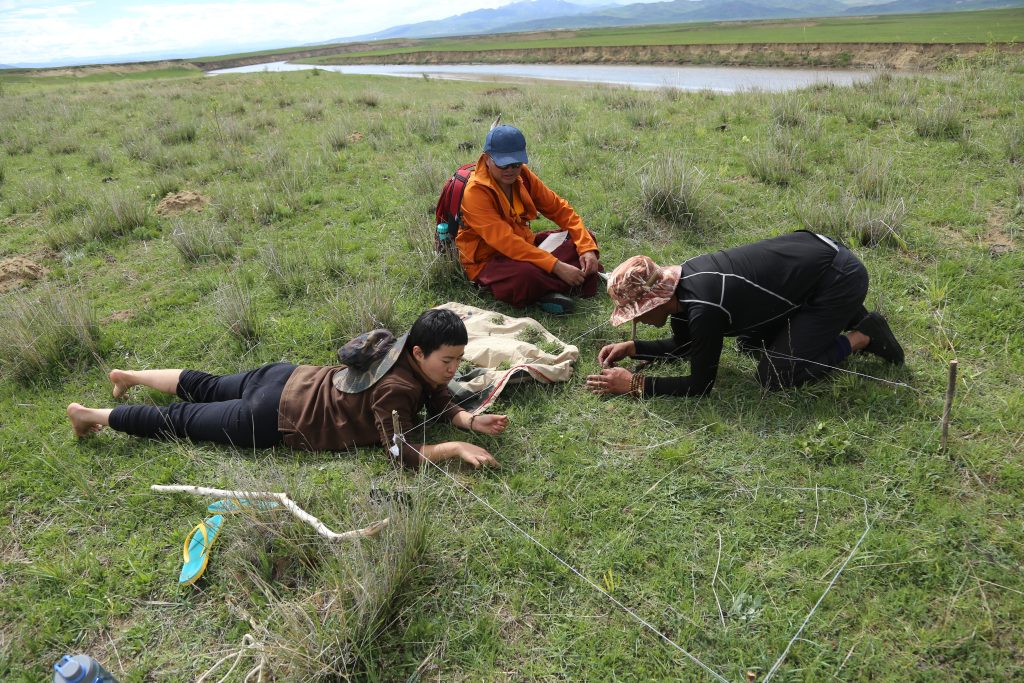
Participants provide both remote and on-site support to grassroots conservation organizations, including at least two months of in-person volunteer service between May and August whenever feasible. Each participant is matched with a partner organization and contributes to community-based conservation by assisting with outreach, grant writing, project reporting, and field activities. Our current focus is on the Tibetan Plateau and the Himalayas, where we collaborate with partners such as the Nyanpo Yutse Conservation Association, the Snowland Great Rivers Environmental Protection Association, the Maqu Conservation Association, the Ganjia Community Conservation Volunteer Group, the Gangri Neichog Research and Conservation Center, and Upper Karnali Landscape Initiatives, among others.
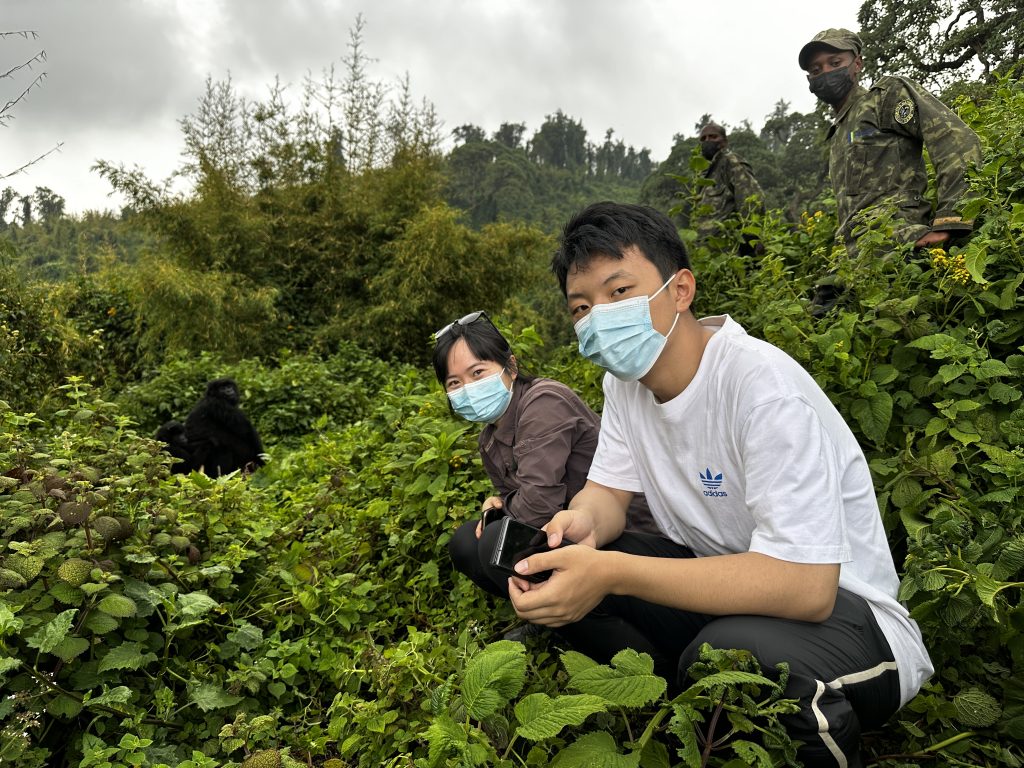
Edgewalkers in Action
Leveraging our collaborative learning groups, alumni network, and partner organizations, Conservation Edgewalkers works across three key areas to help create enabling conditions for coexistence at both local and trans-local scales:
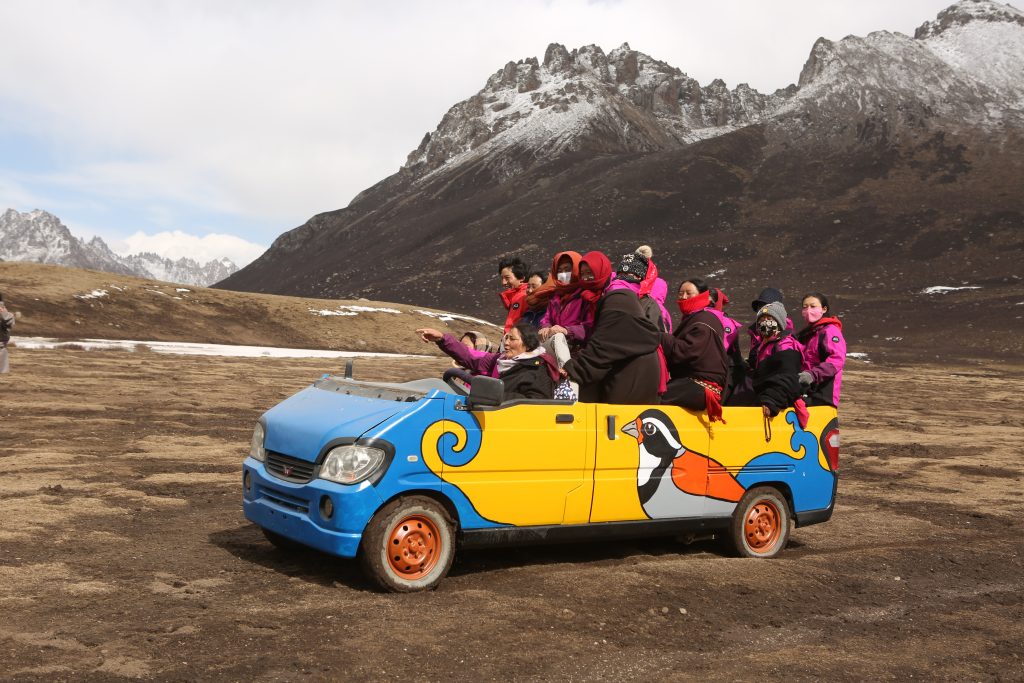
Supporting Local Conservation
We empower community-driven conservation by supporting local organizations in knowledge production, project design and management, and fundraising, while advancing integrative approaches to addressing complex conservation challenges.
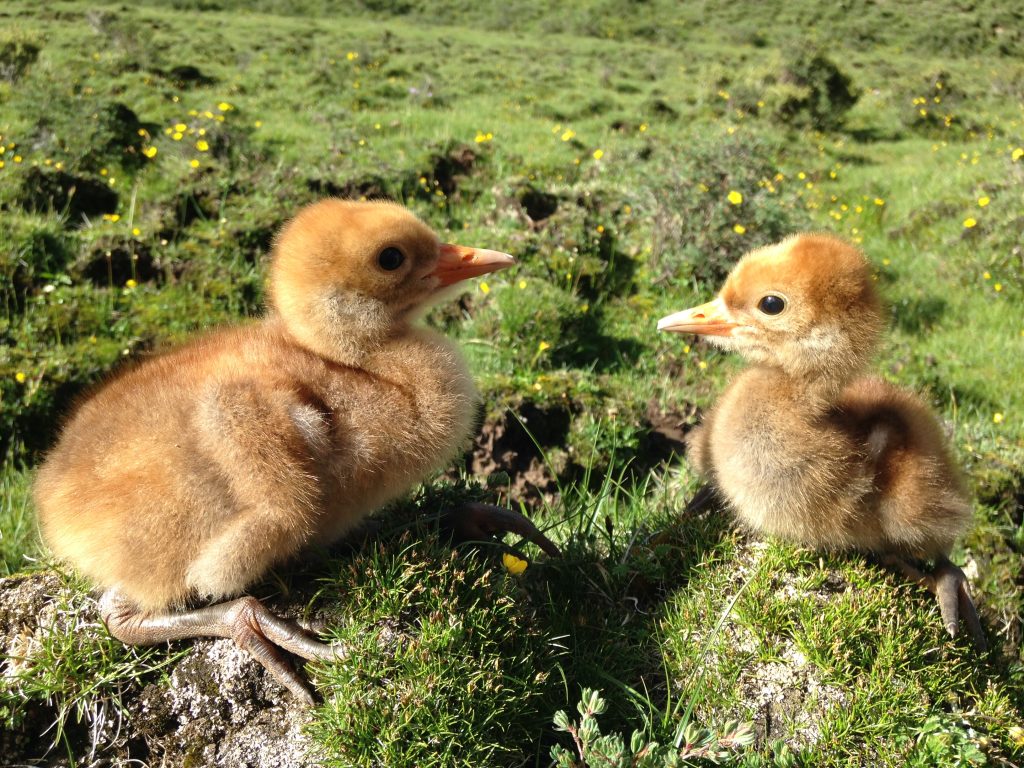
Sharing Practical Experience
We document and share local conservation cases to strengthen the recognition of Indigenous and traditional ecological knowledge, while also promoting innovative ideas and practices that foster collective learning within the conservation community.
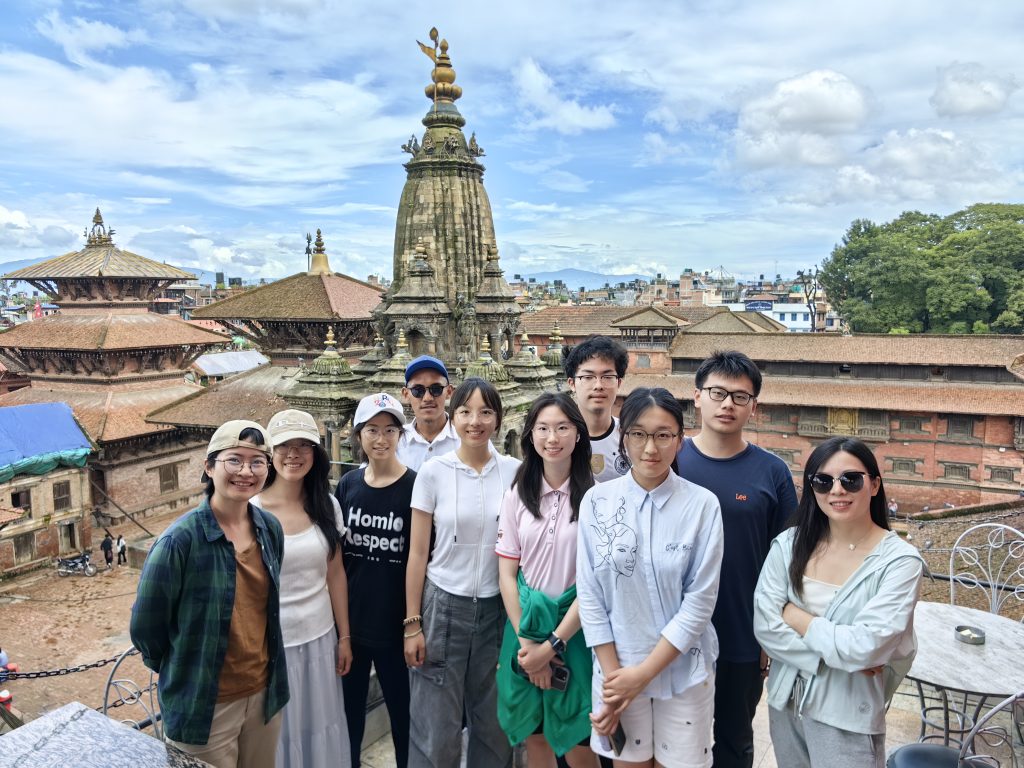
Nurturing Youth Conservationists
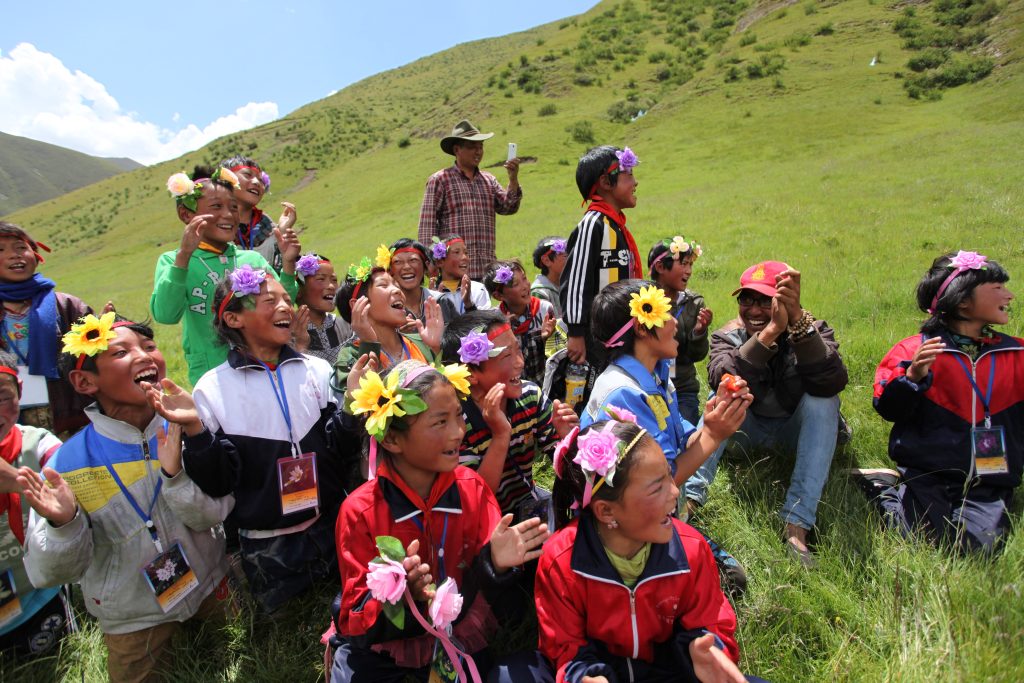
We offer online courses, field studies, and service-learning opportunities for high school students, helping youths interested in conservation and sustainability achieve meaningful academic, professional, and personal growth.
Journal of Conservation Edgewalkers
As part of our initiatives, we are planning to host the Journal of Conservation Edgewalkers, an online platform dedicated to sharing interdisciplinary research, field insights, and reflective essays contributed by our fellows, collaborators, and other voices from around the world. The journal provides a space for co-creating knowledge, fostering dialogue, and exchanging ideas that inspire transformative conservation science and practice by emerging conservationists.