
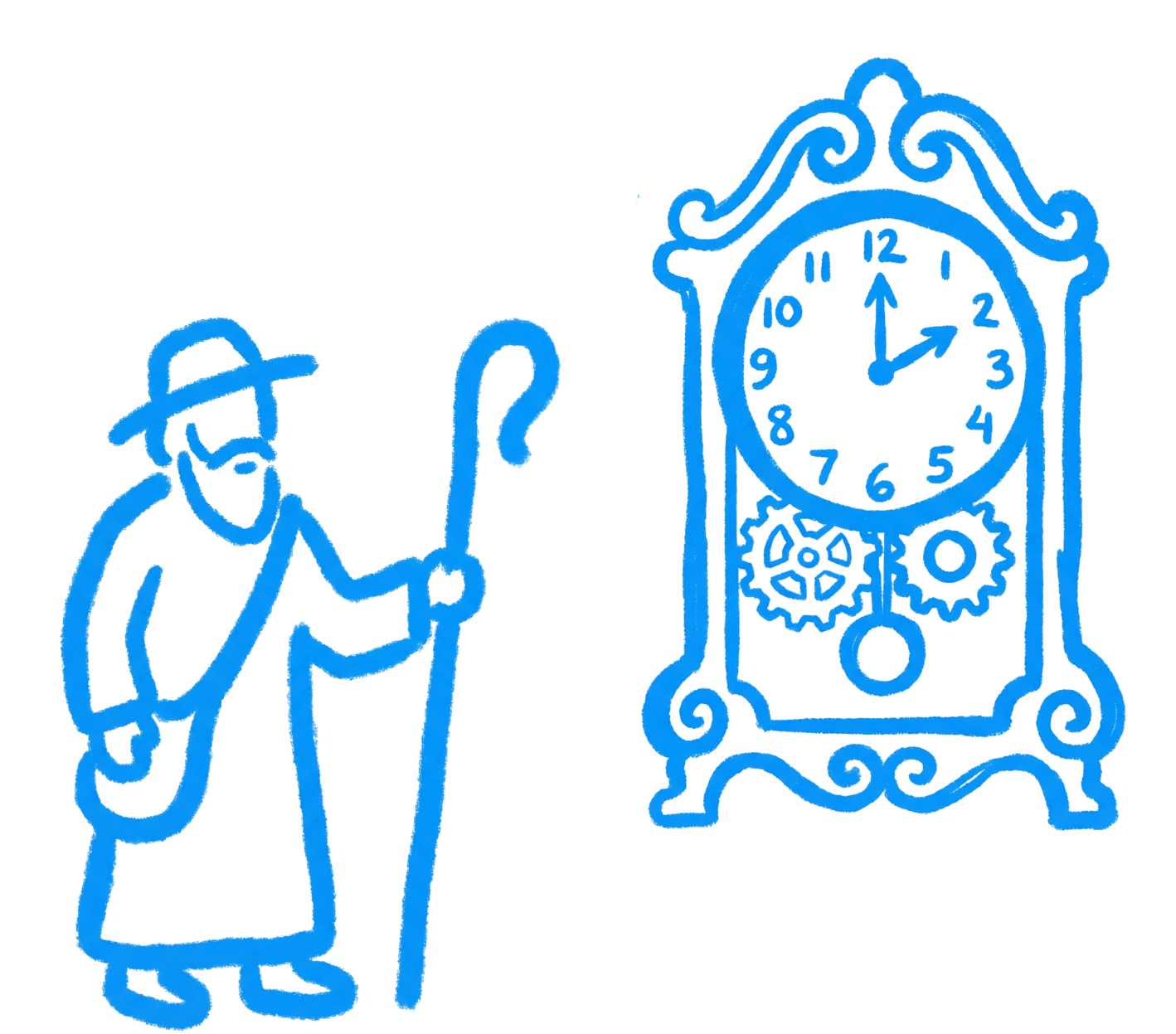
I used to hear a particular kind of “joke” quite often: if you want to make an appointment with a herder, you have to follow “herder time”; otherwise, you may wait indefinitely. Friends working in pastoral regions on the Qinghai-Tibet Plateau have said the same: herders, they claimed, are hard to schedule. The most difficult situations come when large batches of handmade orders or collective activities are involved. Getting people to deliver work or gather at an agreed time often becomes a real challenge. One day, there is a religious ritual at home; the next day, a relative needs help. Time seems to be continually interrupted by relationships and obligations.
When speaking with elders in pastoral communities, this sense of “different time” becomes even more pronounced. They rarely answer questions using Gregorian calendar years. Instead, they use the Tibetan calendar (a lunar calendar) or mark time directly through nature and everyday life.
I remember asking “Bangzhu” (a local nickname for the leader of the Ganda caravan) last summer which year they decided to build Ghu Got Saqg, an ecological center named “the home of water sources.” He paused and thought for a moment, then said, “I don’t know the year, but I remember it was before people started digging caterpillar fungus, because the grass outside the wall hadn’t grown well yet.”
At the time, I didn’t think much about his answer. I instinctively took it as another example of herders “lacking a sense of time.” Looking back now, I hear something else in it: another way of experiencing time.
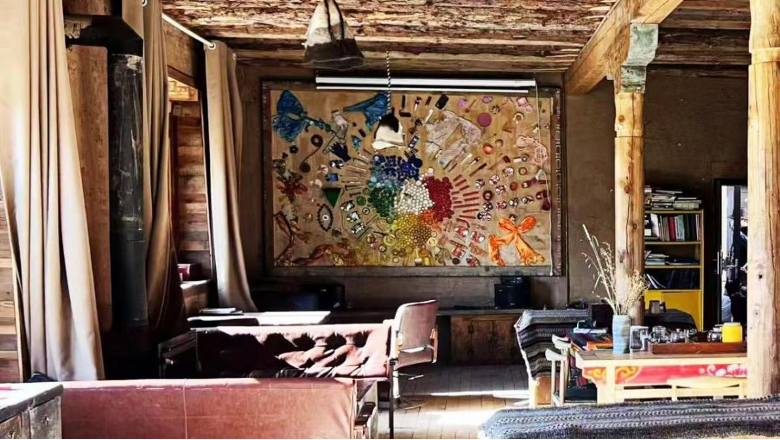
Time and Space in Traditional Societies
My reflections draw on Anthony Giddens’s The Consequences of Modernity, especially his discussion of time and space, while remaining grounded in lived encounters.
In that work, modernity is understood less as a simple “modernization process” than as a profound shift in how society is organized. What gradually formed in Europe from the seventeenth century onward, and later spread globally, was more than new technologies or institutions: social relations themselves were reorganized.
In pre-modern societies, the time that structured everyday life was closely bound to place, events, and natural rhythms. Without markers in social space, such as seasonal changes or ritual cycles, time was difficult to distinguish as a separate dimension.
“When” was often simply “where” and “what happened.”
Life unfolded within limited ranges of movement and relied on face-to-face presence. Time was bound up with migration, ritual, and kinship affairs. It did not need to be measured in minutes or coordinated across distant locations. When to depart depended on pasture, weather, and livestock; when neighbors needed help, time naturally gave way.
Time followed relationships and remained embedded in place and life. When one acted was largely determined by one’s location; whom one could maintain stable relations with also depended on being present together.
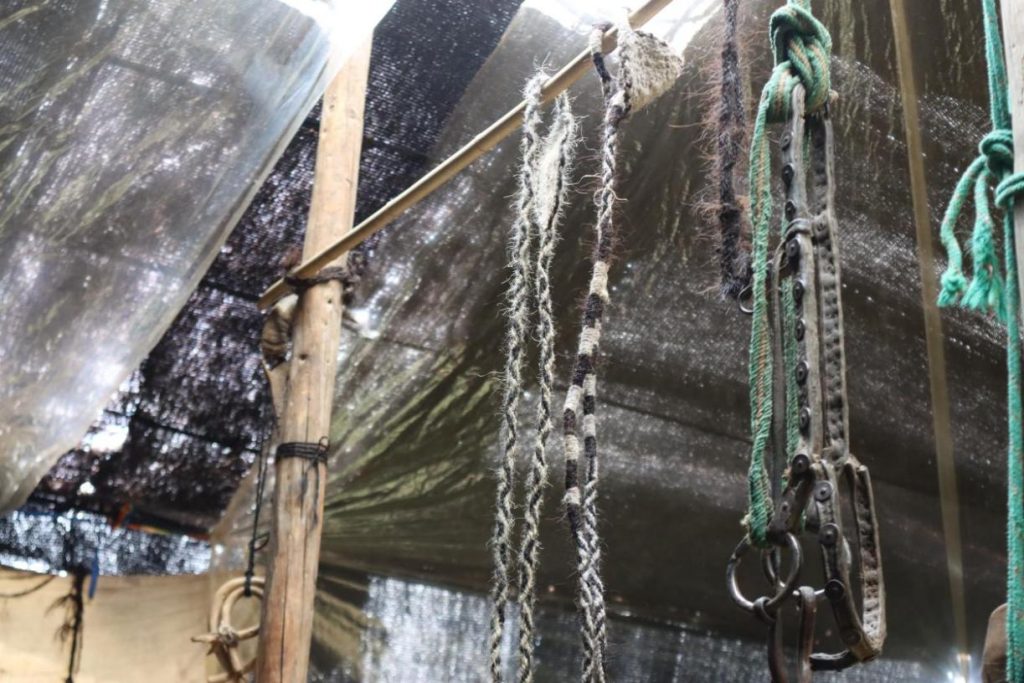
Time and Space in Modern Societies
This experience of time undergoes a fundamental shift in modern society.
With the spread of mechanical clocks and the advance of industrialization, time is gradually extracted from everyday life and becomes a unified, measurable scale. Calendars are standardized globally. Different “New Years” continue to exist, yet they are incorporated into a single temporal system.
A unified time scale becomes the basis for governing space. As time and space are separated, social activities no longer have to be embedded in specific contexts. The constraints of local custom and place-based practice are broken through, allowing organizations to connect the local and the global in ways that traditional societies could scarcely have imagined.
Time is abstracted into units that can be standardized and divided; space into territory that can be measured and managed. The core of modernity is less about whether it is more “accurate” than about whether it can coordinate. It sacrifices contextual flexibility to organize complex cooperation, enabling the placement of people distributed across different locations on the same schedule.
Similarly, modern space is brought under a shared institutional logic through mapping, boundaries, administrative divisions, and networks of communication and transport. Distant places are continually drawn closer and continually managed.
Once time and space are abstracted, modern states can organize society through institutionalized temporal and spatial systems; capital can divide time into labor hours that can be sold; markets can bring distant spaces into a single system of prices and logistics.
Time no longer grows organically from life; it is distributed by institutions. Action is no longer accountable only to nature and the local community, but increasingly to distant systems in which people are absent.
Suspended Capacities
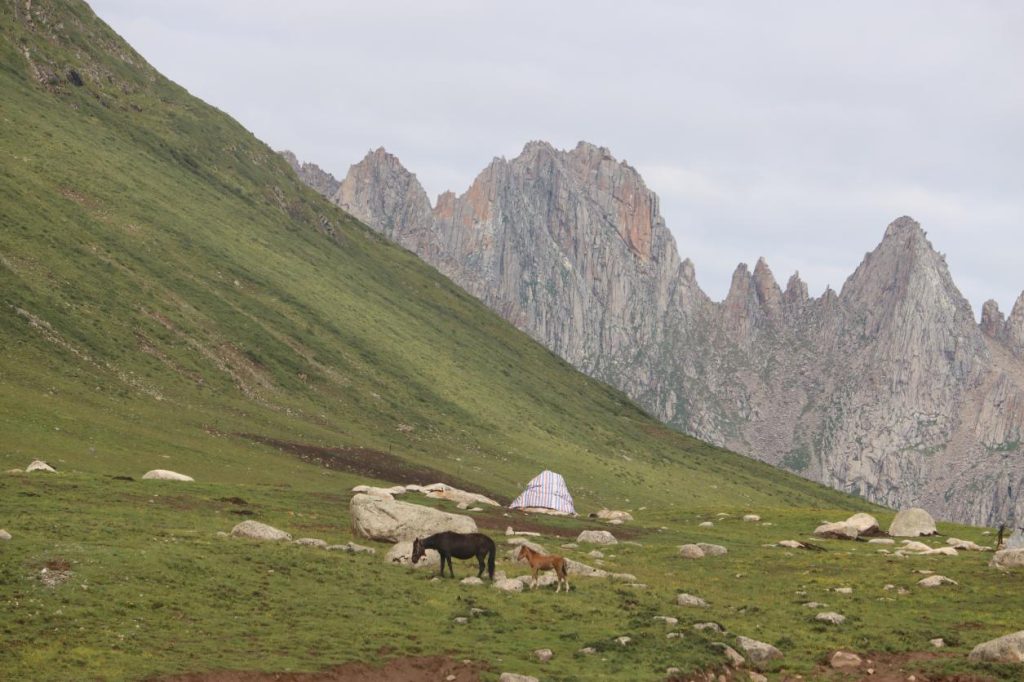
Pastoral life depends on ecological uncertainty, and labor is deeply entangled with life, so it is difficult to separate and almost impossible to fully standardize. Modern labor, by contrast, rests on precisely this separation. Labor is cut out from life and embedded in clock time.
What appears as “lateness” may therefore be less a matter of intent than the result of different production logics.
Modernity may bring a kind of suspended capacity. It can mean longer lifespans, fewer certain natural risks, and greater mobility and opportunity. At the same time, it can weaken local knowledge, make life increasingly dependent on external systems, and create fractures in identity and in how time is experienced.
Local knowledge is not an inefficient form of experience; it is a way of understanding the world. It teaches people how to read weather and pasture, how to recognize risk, and how to use shared stories to place uncertainty within an intelligible framework. When such knowledge is weakened, decisions increasingly rely on policy, markets, and experts.
In the past, people knew which rivers were prone to flooding, which seasons brought disease, and which behaviors invited disaster. Risk was not unknown; it was known and unavoidable. Religious rituals, taboos, and moral explanations were not attempts at scientific causality, but ways of placing misfortune within an intelligible order. When disaster struck, people “knew” why it happened, knew what to do next, and knew where responsibility lay.
In modern society, a sense of security may come more from stable wages, health insurance, or credentials. As we rely more on medical, educational, and administrative systems, life can become more stable, yet it can also become harder to understand how these systems work. Consequences may come from far away, and responsibility can be difficult to place.
Risk becomes systemic, abstract, and invisible. Once these systems fail, individuals have little capacity to respond. When systems break down, older ways of making sense of life may already have been weakened, and anxiety and vulnerability can follow.
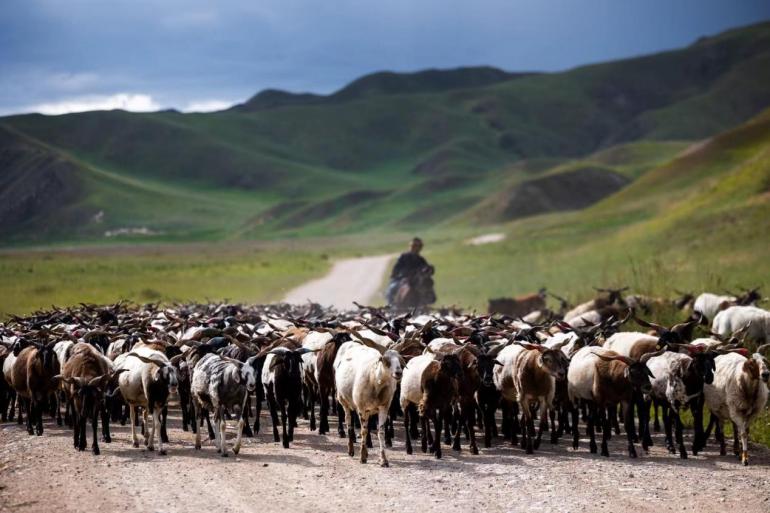
Double Identities
In traditional societies, elders held knowledge of time and experience. Authority came from accumulation, and younger generations entered the world through imitation. After modern institutions intervene, time is regulated by schedules, and knowledge comes from textbooks, experts, and networks. The experience of elders begins to lose its explanatory power in this new world.
Younger generations may find it easier to succeed within institutional systems, yet the two generations in effect live within different temporal structures.
When a person is a student or an employee within institutions, yet remains a herder in local society, the issue goes beyond holding two identities. It is whether these two identities can still be told as one continuous story.
When they cannot, what may emerge is a sense of hollowness, suspension, or rootlessness.
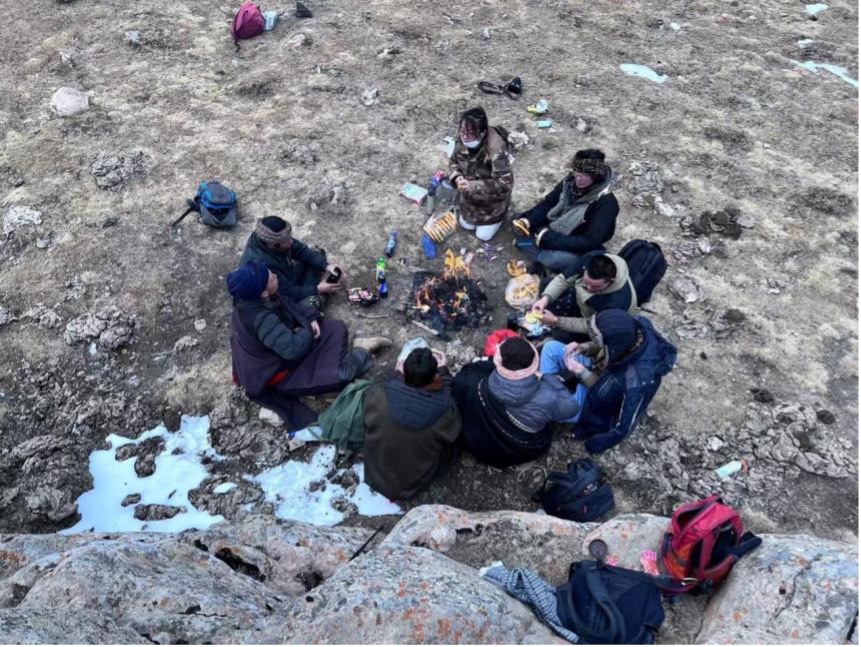
Becoming Whole
Modernization does not enable people to live better within their original world; it requires them to learn how to live in a different one. When I now think about the “unpunctual” Tibetan herder, I see that abstract time has not yet fully embedded itself in their lived space.
In an irreversible process of modernization, how can a person become whole?
I do not expect a complete return to tradition. The question, rather, is whether embedded relations can be reorganized. That would mean allowing modern systems to be embedded within lived, place-based life, instead of trying to embed the past within modernity.